

How to choose the right groundcare equipment
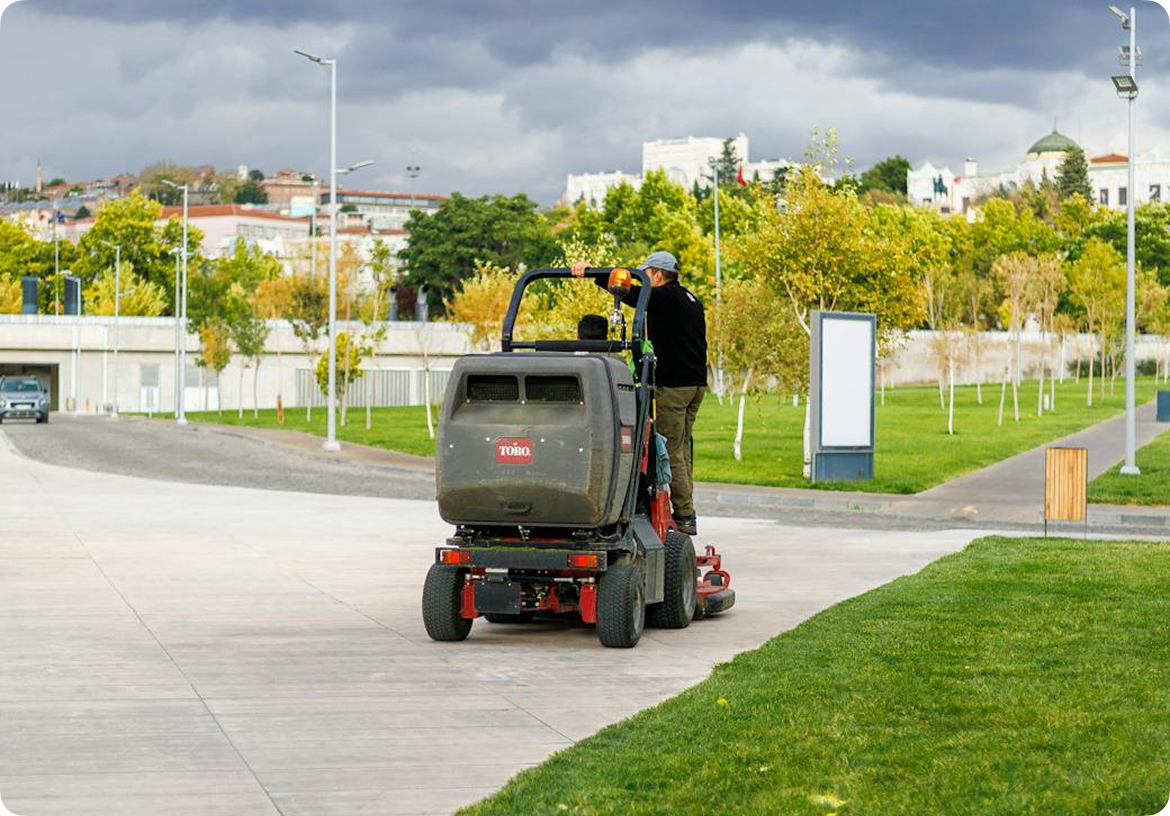
Groundcare equipment plays a vital role in maintaining outdoor spaces efficiently and professionally. Whether you’re managing commercial grounds, private estates, or contractor-led projects, choosing the right machinery can improve productivity, reduce maintenance costs, and deliver better long-term results.
With so many equipment options available, understanding what your environment and workload require is essential before making an investment.
Understand your requirements
Before selecting any machinery, it’s important to consider the size, terrain, and demands of the area you maintain. Different environments require different levels of power, durability, and manoeuvrability.
For example:
- Large commercial grounds may require heavy-duty tractors and wide-area mowers
- Smaller estates may benefit from compact, versatile machinery
- Uneven terrain may require equipment with enhanced traction and stability
Choosing equipment suited to your operational needs helps improve efficiency while reducing unnecessary wear and operational costs.
Work with Groundcare Specialists
Choosing the right equipment isn’t just about specifications it’s about finding the right solution for your specific environment and operational needs.
Working with experienced groundcare specialists ensures you receive practical advice, reliable recommendations, and support tailored to your requirements. At Stamford Groundcare, we help businesses, estates, and contractors choose dependable equipment solutions built around performance, efficiency, and long-term reliability.
Looking for Reliable Groundcare Equipment?


Preparing Your Garden for a Robotic Mower
A practical guide to designing access routes, lawn edges, planting and charging areas so a robotic mower can work efficiently from day one.
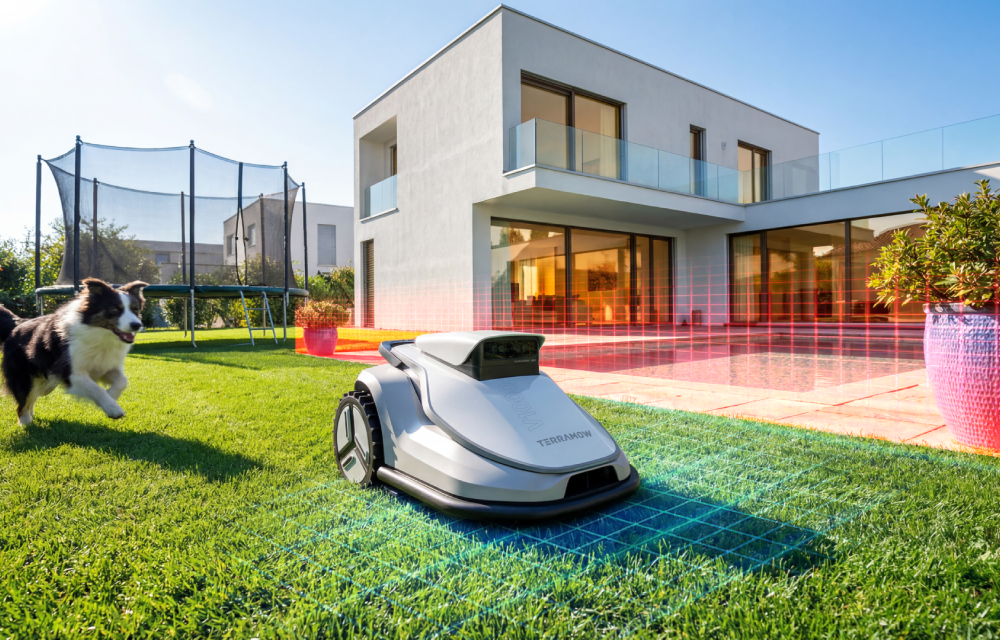
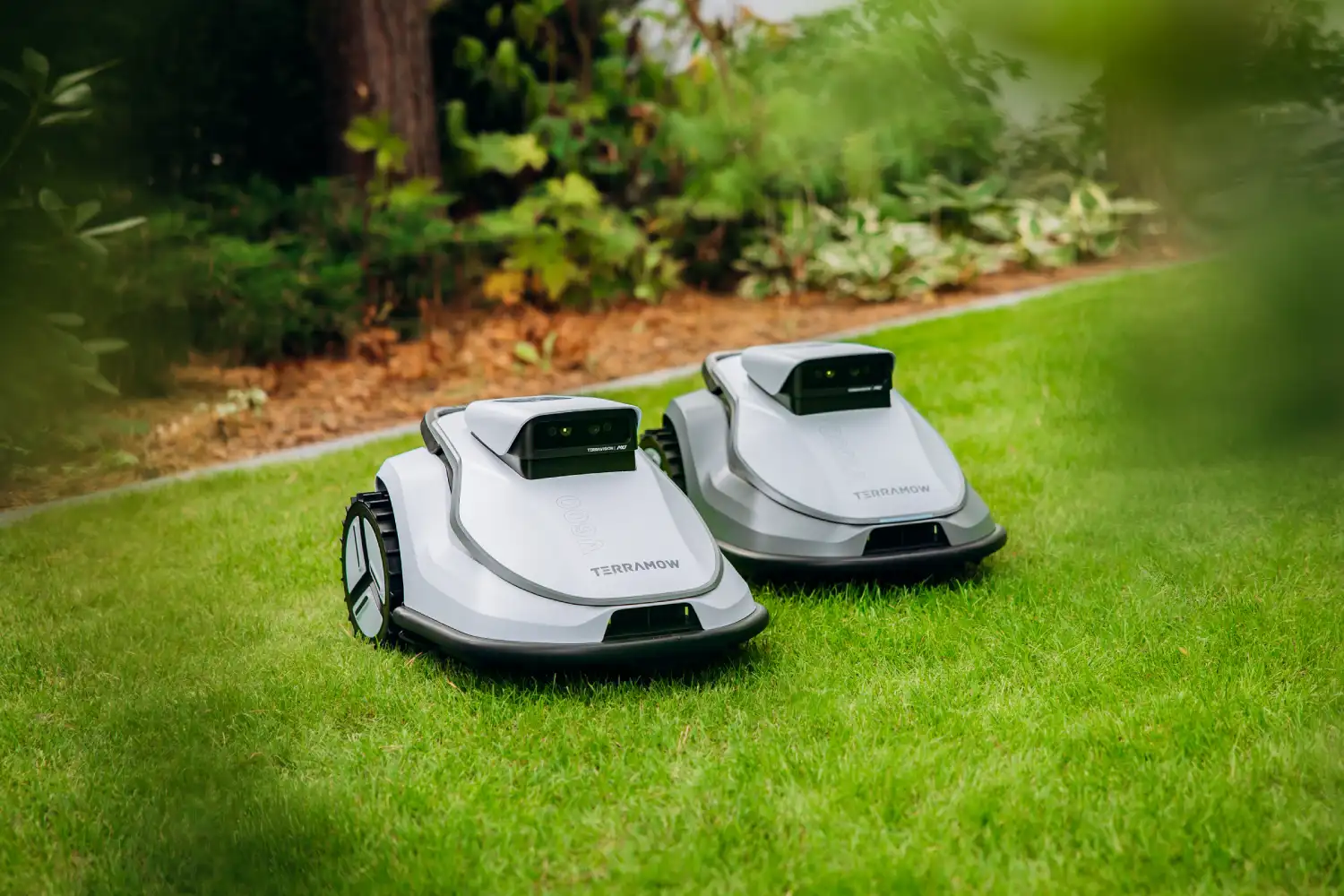
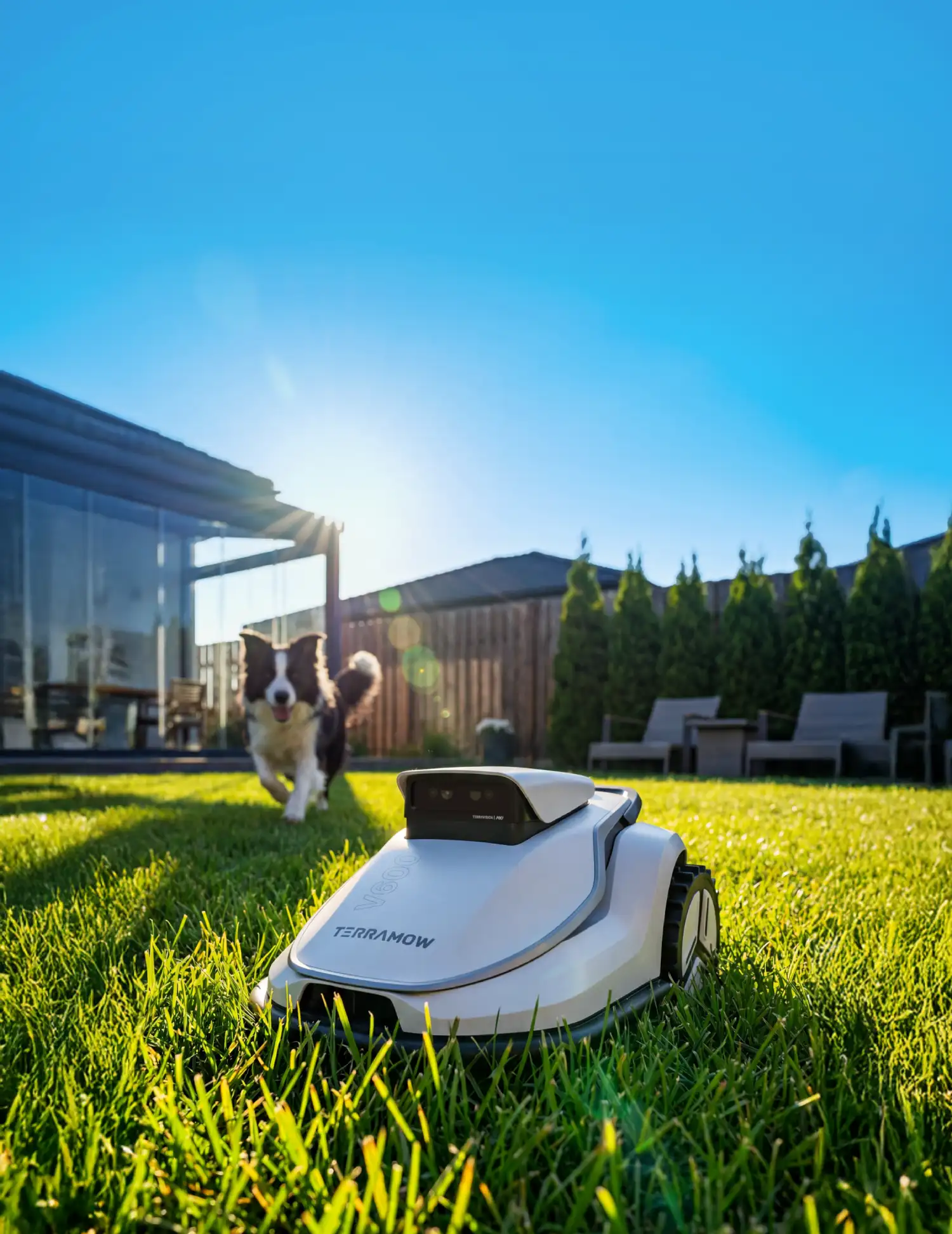
A robotic mower can transform the way you look after your lawn, quietly maintaining the grass throughout the week and freeing up more time to enjoy the garden. However, the best results come when the garden and the mower are planned as one complete system.
But choosing the right mower is only part of the process. “The best robotic mower installations start with a garden designed and prepared with the mower in mind.”
Whether you're considering a robotic mower for an established garden or you're landscaping a new one, a little planning can make a significant difference to how effectively the mower operates.At Stamford Groundcare, we believe that robotic mowing should be considered as part of the overall garden design — not simply added once everything else is finished.
At a glance: what to plan
- Clear routes between every lawn area
- Accessible edges, slopes and crossing points
- A level, practical position for the charging station
- Good drainage and an even lawn surface
- Space around planting, trees and permanent obstacles
Make Your Garden Easy for the Robot to Navigate
Ramps and changes in level
Steps and sudden changes in height can prevent a mower from moving between areas of lawn.Where possible, consider incorporating gentle ramps or sloping transitions between different levels.This is particularly useful when creating a new garden or redesigning an existing one. A small change to the landscaping can create a much easier route for the mower.
Pathways and access routes
If your garden contains separate lawn areas, consider whether they can be connected.
A wider grass pathway may allow the mower to travel naturally from one area to another. In some gardens, a carefully planned crossing or dedicated route may be appropriate.The important thing is to consider the mower's route before installing your paths, paving and borders.
Think About Planting Before You Plant
Beautiful planting and robotic mowing can work extremely well together — but the layout of your borders can make a big difference.Try to create clear, well-defined lawnareas rather than lots of narrow strips and isolated patches of grass.Curved borders can work perfectly well, but very tight corners and complicated shapes can make navigation more difficult.
Raised beds and borders
Raised beds can actually be an excellent way of creating a clear boundary between lawn and planting, however, consider the height and shape of the edging.If the mower can approach the edge easily but its wheels can climb onto an awkward lip or raised stone, it may struggle to manoeuvre away.When designing new borders, consider the mower's wheels and cutting deck as well as the appearance of the finished garden.
Avoid Creating Small, Isolated Areas of Lawn
One of the most common things to consider when making a garden robot-friendly is connectivity.A garden divided into lots of small pieces of lawn may look attractive, but it can be difficult for a robotic mower to access efficiently.Where possible, connect lawn areas with suitable routes or discuss alternative solutions with your robotic mower installer.A good installation should consider the complete mowing area rather than treating every lawn as a separate space.
Consider Trees, Shrubs and Permanent Obstacles
- Trees and exposed roots
- Large shrubs
- Plant pots
- Garden furniture
- Children's play equipment
- Trampolines
- Water features
- Garden ornaments
- Low branches
- Sleeper walls
- Raised edging
- Drain covers
Permanent obstacles can often be incorporated into the mower's installation, but it is important to identify them beforehand.
Get Your Lawn Edges Right
The edge of your lawn is particularly important, a robotic mower can only cut as close to an edge as its design allows. If grass meets a vertical wall, raised kerb or deep planting border, you may still need to use a strimmer occasionally.
Where possible, consider robot-friendly lawn edging, flush paving or appropriately designed edging can allow the mower to cut closer to the boundary and reduce the amount of manual trimming required.This is something worth considering when creating a new lawn or replacing existing borders.
Check Slopes and Uneven Ground
Not every robotic mower is designed for the same terrain, if your garden has steep banks or significant slopes, the mower needs to be selected accordingly.
But gradient isn't the only consideration, uneven ground, exposed roots, loose soil and poor drainage can all affect traction and performance.Don't guess whether your mower can handle a slope. An experienced installer can assess the garden and recommend equipment suitable for the terrain.
Think About Drainage
Robotic mowers are designed to operate outdoors, but persistently wet or waterlogged ground can cause problems.If your lawn regularly holds water, consider addressing the drainage before installing a robotic mower.
Improving drainage can help reduce:
- Wheel marks
- Mud
- Loss of traction
- Lawn damage
- The risk of the mower becoming stuck
A healthy, well-drained lawn will generally provide a much better surface for robotic mowing.
Choose the Right Location for the Charging Station
- A stable, reasonably level surface
- A suitable power supply
- A clear approach
- Enough space for the mower to enter and leave
- Protection from unnecessary interference or damage
- Access to wifi is recommended
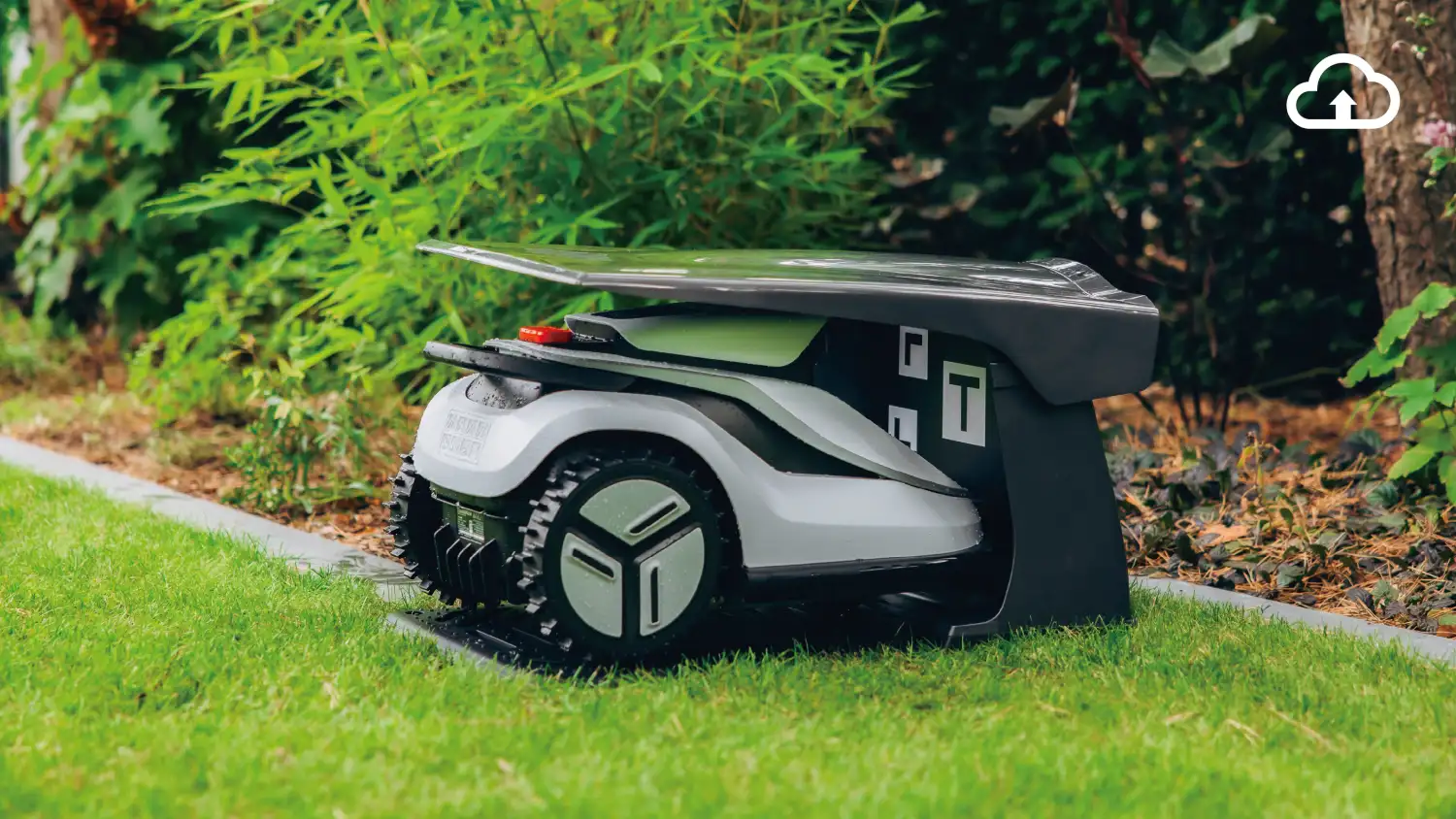
Some homeowners choose to add a dedicated mower garage or shelter, which can also help the charging station blend into the garden.The position should be considered as part of the overall installation rather than an afterthought.
Keep Paths and Crossing Points in Mind
Don't Forget the Everyday Items
- Garden hoses
- Children's toys
- Balls
- Small branches
- Tools
- Temporary garden furniture
- Other loose objects
If you have children or pets, establishing a simple routine of checking the lawn before the mower starts can be worthwhile.
Children and Pets
Prepare the Lawn Itself
A robotic mower isn't a replacement for good lawn preparation, if your lawn has large bumps, bare patches, drainage problems or significant weed issues, it is worth addressing these before installing a robotic mower.
Robotic mowers work differently from traditional lawn mowers. Rather than removing a large amount of grass at once, they make small, frequent cuts.Once established, this regular mowing can help maintain a neat, consistent lawn — but the better the starting point, the better the result.
Choosing the Right Robotic Mower
Finally, remember that not all robotic mowers are the same.The right machine depends on the individual garden.
Factors to consider include:
Lawn size – Choose a mower capable of comfortably managing the area.
Garden layout – Multiple zones and narrow passages require careful consideration.
Slopes – Check the manufacturer's recommended maximum gradient.
Obstacles – Trees, borders, furniture and other features can influence the installation.
Navigation technology – Different machines use different navigation and positioning systems.
Connectivity – Depending on the model, control and monitoring may be available through Wi-Fi, Bluetooth, GPS or mobile connectivity.
Cutting requirements – Cutting width, height range and mowing patterns vary between machines.
This is why choosing the mower should come after assessing the garden, rather than simply choosing a machine based on lawn size alone.
A Robot-Friendly Garden Starts With Good Planning
A robotic mower should be much more than an automated lawn mower, when the garden, landscaping and mower installation are considered together, the result can be a system that quietly maintains your lawn with minimal intervention.
Sometimes the smallest changes make the biggest difference:
A gentle ramp instead of a step.
A wider grass connection instead of a narrow strip.
Flush edging instead of a raised kerb.
A well-positioned charging station instead of one squeezed into a corner.
These details can help the mower navigate more efficiently, reduce the likelihood of it becoming stuck and minimise the amount of manual finishing required.
Planning a Robotic Mower Installation?
At Stamford Groundcare, we can assess your garden and help you understand what is required before you invest in a robotic mower.
From lawn layout and access routes to slopes, borders, obstacles and charging-station positioning, we can help you create an installation that works with your garden.Whether you have a compact domestic lawn or a larger, more complicated garden, the right preparation can make all the difference.
Ready to plan your installation?
FAQs
We offer a wide range of high-quality ground care brands including Iseki, Stiga, Mountfield & Aodes. We are always improving our offering and can supply other brands upon request.
Still have questions?
The UK Electric Compact Tractor Market
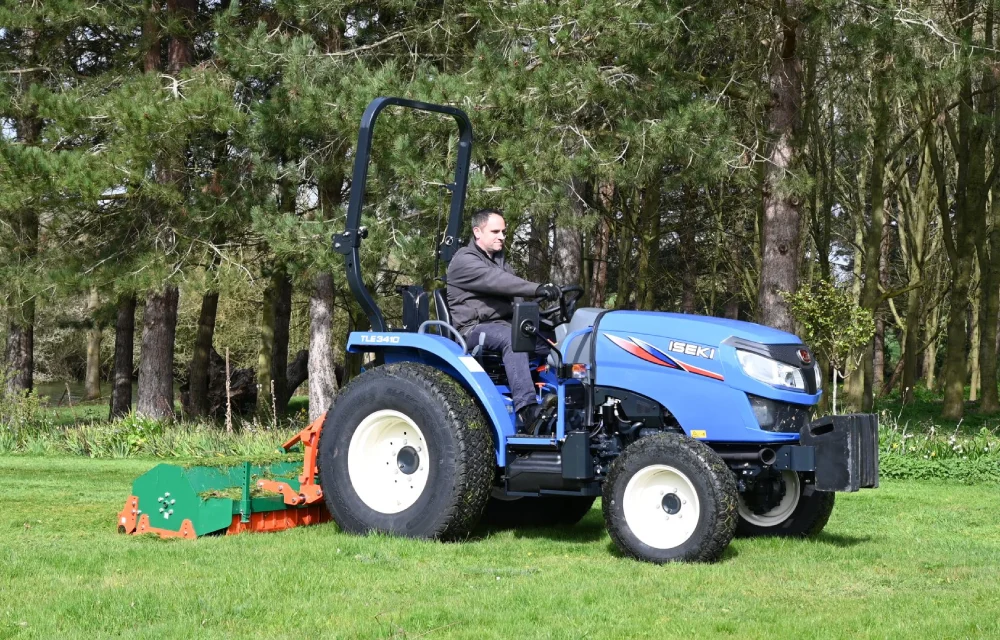
The UK compact tractor market is beginning to experience the same electrification trend already seen in passenger vehicles, grounds maintenance equipment and construction machinery. While diesel remains the dominant power source for compact tractors, electric alternatives are now entering the market, particularly in environments where low noise, zero emissions and reduced operating costs are becoming increasingly important.
At present, electric compact tractors represent a niche but growing segment of the UK market. Adoption is strongest among local authorities, equestrian facilities, sports grounds, local authorities, horticultural businesses and estate management operations. These users typically operate within predictable working patterns and often have access to charging infrastructure.
Several factors are encouraging interest in electric compact tractors:
- Increasing pressure to reduce carbon emissions.
- Growing restrictions on machinery operating in urban and environmentally sensitive areas.
- Rising diesel costs and maintenance expenses.
- Demand for quieter equipment in residential, leisure and equestrian environments.
- Corporate sustainability targets among councils and commercial operators.
However, the market remains at an early stage, with concerns around purchase price, battery life and charging infrastructure limiting wider adoption.
The benefits
- Zero Emissions - Electric tractors produce no tailpipe emissions, making them ideal for indoor operations, equestrian facilities, glasshouses and environmentally sensitive locations. This also helps organisations meet sustainability objectives and environmental regulations.
- Reduced Noise -One of the most noticeable advantages is significantly quieter operation compared with diesel tractors. This is particularly beneficial for parks, schools, sports facilities, residential developments and horse yards.
- Lower Running Costs -Electric motors have fewer moving parts than diesel engines, reducing servicing requirements. There are no oil changes, fuel filters, DPF systems or emissions after-treatment components to maintain.
- Instant Torque -Electric powertrains deliver maximum torque from zero rpm, providing excellent pulling power for many grounds maintenance and estate management applications.
- Improved Operator Environment -The absence of engine vibration, exhaust fumes and high noise levels creates a more comfortable working environment for operators.
The Drawbacks
- High Initial Purchase Cost - Battery technology remains expensive, making electric tractors significantly more costly than equivalent diesel models.
- Limited Runtime -While manufacturers have improved battery capacity, most current electric compact tractors offer between four and nine hours of operation depending on workload and attachments. Heavy PTO or hydraulic applications can reduce this considerably.
- Charging Requirements - Electric tractors require suitable charging facilities. Fast-charging options are improving, but charging remains less convenient than refuelling with diesel.
- Residual Value Uncertainty - As the technology is relatively new, there is limited data regarding long-term battery life, replacement costs and second-hand values.
Manufacturer Offerings
Knegt
Knegt has positioned itself as one of the most aggressive entrants into the electric compact tractor market. The company markets its machines as among the world's first purpose-built electric compact tractors and offers one of the widest electric ranges currently available in Europe. They currently offer 45BHP to 65 BHP offerings with separate motors for drive and hydraulics and offering 4WD.
Kubota
Kubota has taken a more cautious approach to electrification through its LXe-261 electric compact tractor. This sole product currently offers 26BHP with 4WD
Kubota's strong dealer network and reputation for reliability provide confidence for buyers considering electric technology. However, the LXe series remains relatively limited in availability compared with Kubota's conventional diesel range.
Farmtrac
Farmtrac gained significant attention with the FT25G, widely promoted as one of the world's first all-electric compact tractors. This offers 25BHP combined with a 3 point linkage with an estimated range of 6 hours.
Outlook for the UK Market
Although in its infancy, the outlook is considerably positive in specialist sectors such as:
- Equestrian facilities
- Grounds maintenance
- Sports turf management
- Local authorities
- Estate management
- Horticulture
For these users, the benefits of quiet operation, reduced maintenance and zero emissions can outweigh the limitations of battery-powered operation. As battery technology improves and costs fall, electric compact tractors are expected to move from niche products toward a recognised alternative to diesel machines within the UK compact tractor sector.
Looking for Reliable Groundcare Equipment?
FAQs
We offer a wide range of high-quality ground care brands including Iseki, Stiga, Mountfield & Aodes. We are always improving our offering and can supply other brands upon request.
Still have questions?
The UK Electric Compact Tractor Market
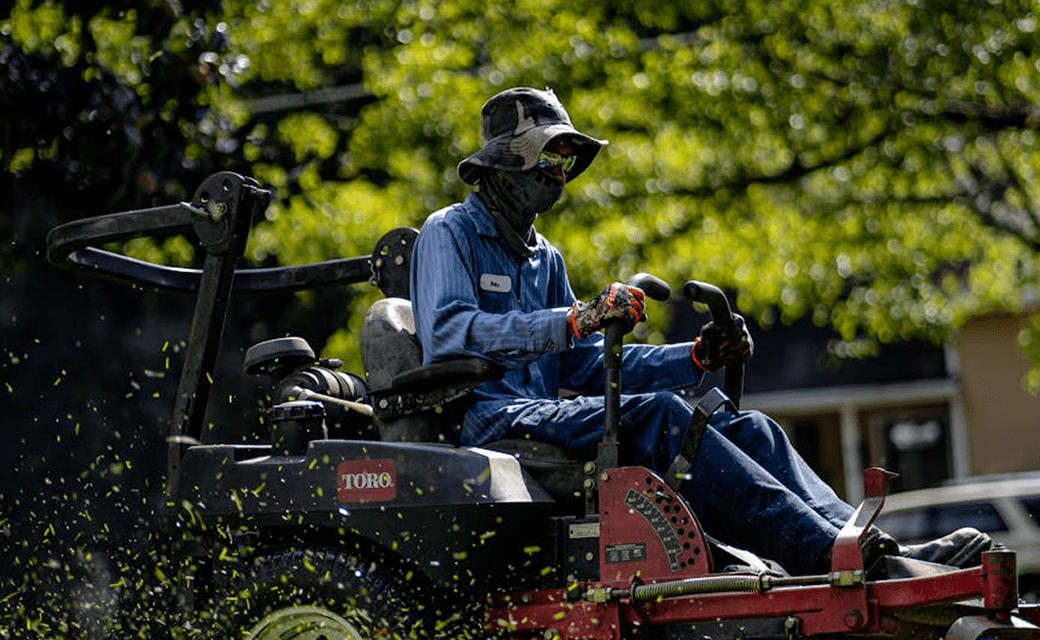
Keeping your garden machinery and outdoor power equipment in excellent condition is essential for maintaining healthy landscapes and completing jobs efficiently. Whether you own a domestic lawn mower, a commercial ride-on mower, a chainsaw, hedge trimmer, or compact tractor, regular servicing is one of the smartest investments you can make. While it may seem like an additional expense, preventative maintenance helps avoid costly repairs, extends the lifespan of your equipment, and ensures it performs at its best throughout the year. Preventive maintenance is widely recognised as an effective way to reduce unexpected breakdowns, improve reliability, and lower long-term operating costs.





